Mezzanine Rack – Rack-Supported Warehouse Mezzanine Floor
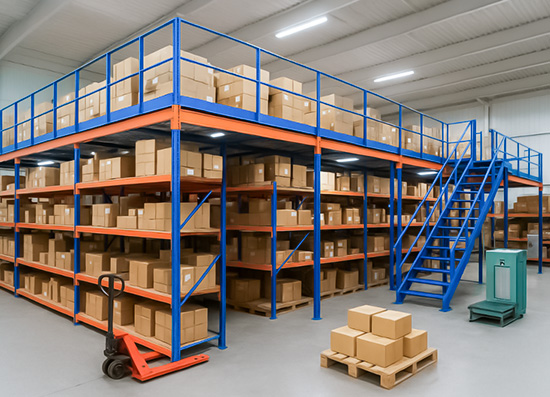
HUADE Mezzanine Rack creates additional storage space above or between existing rack levels. By integrating the rack-supported mezzanine with pallet racking, workstations, and storage containers, you can make better use of vertical space and improve the efficiency of storing and handling your products.
Mezzanine Rack Overview
What Is a Mezzanine Rack?
A Mezzanine Rack adds one or two elevated storage levels within an existing warehouse, creating two or three levels of usable storage space in total. The rack structure supports the mezzanine floor, allowing you to make better use of available vertical space without expanding the warehouse footprint.
The mezzanine floor is suitable for storing small and medium-sized goods, particularly products with relatively long storage cycles. Depending on the warehouse layout and handling requirements, operators can use forklifts, conveyors, hoists, or lifting platforms to move goods between levels. Lightweight carts or pallet trucks can then support storage, picking, and replenishment activities on the mezzanine level.
How Does a Mezzanine Rack Work?
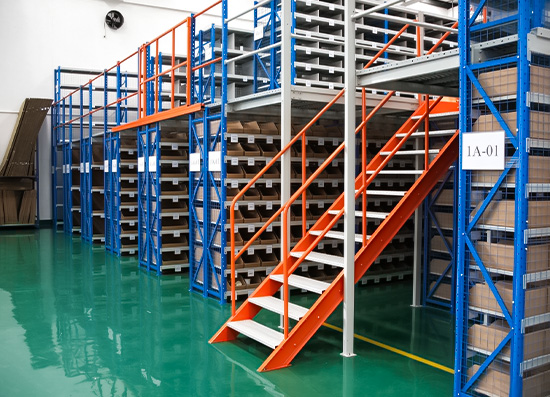
A Mezzanine Rack uses its rack uprights to support the floor beams and mezzanine floor. The bolted structure allows quick assembly on site without welding.
Forklifts or hydraulic lifting platforms can move palletized goods to the upper level, while pallet trucks or picking carts help workers move and pick goods within the mezzanine area.
The number of levels depends on the warehouse height and storage needs. A single mezzanine level creates a two-level storage area, while taller warehouses can accommodate additional levels.
Material Handling Equipment for Mezzanine Rack
A Mezzanine Rack does not require large forklifts to operate throughout the upper storage levels. The right combination of compact handling equipment can move goods efficiently between floors and within the mezzanine area.
Moving goods between levels
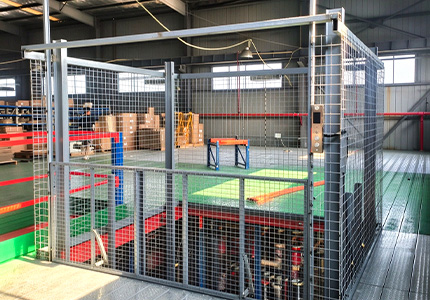
Forklifts, hydraulic lifting platforms, or freight lifts can transfer palletized goods from the ground floor to the mezzanine level.
Moving goods within the mezzanine
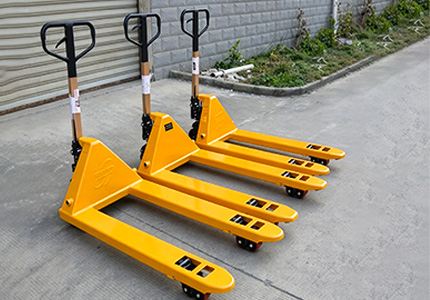
Lightweight carts or hydraulic pallet trucks can move goods from stairs or lifting platforms to their designated storage locations. Operators can handle these tasks manually without relying on large material handling equipment.
Key Benefits of Mezzanine Rack
Modular and Flexible Design
HUADE can customize the structure according to your warehouse height, floor area, aisle layout, and load requirements. You can adjust the mezzanine size, floor height, and stair location to fit your space. The bolted structure makes transportation, assembly, disassembly, relocation, and reuse easier. You can also add medium-duty shelving, parts cabinets, or other storage equipment on the upper level to further increase storage capacity.
Better Use of Vertical Space
If your warehouse has sufficient ceiling height, you can build upward instead of expanding the building footprint. This approach makes better use of unused vertical space and increases your available storage area.
Suitable for Different Goods
You can use a Mezzanine Rack to store many types of small and medium-sized goods, including boxed products, small parts, components, electronic products, clothing, and other light industrial goods. It also works well when you handle large quantities of a few products or smaller quantities across many SKUs.
Flexible Operation and Moderate Cost
Workers can use lightweight carts, manual pallet trucks, or lifting equipment for daily storage and picking instead of large forklifts on the mezzanine. This makes the solution practical for warehouses that mainly rely on manual operations and provides a moderate investment option for many small and medium-sized businesses.
Durable and Easy to Maintain
HUADE applies surface treatment to help protect components against rust and wear. If a floor panel, guardrail, or stair component becomes damaged, you can replace that individual part without replacing the entire structure. Routine maintenance mainly involves checking the bolted connections and structural components.
Combine Storage and Work Areas
You can use different levels for different purposes. For example, store full pallets or larger goods on the lower level and small items or loose cartons on the upper level. You can also add picking, sorting, or packing areas to combine storage and daily warehouse operations.
Flexible Floor and Structural Options
HUADE can provide different floor types, dimensions, and structural configurations according to your load capacity, operating methods, ventilation requirements, and other warehouse conditions.
Types of Mezzanine Rack
Warehouses can use three main types of mezzanine structures: Mezzanine Platform, Mezzanine Rack, and Cantilever Mezzanine Rack. Each type uses a different support structure and suits different storage requirements.
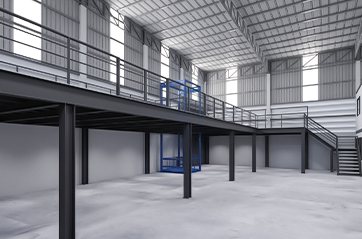
Mezzanine Platform
A Mezzanine Platform uses vertical columns to support the elevated floor. Its open floor design allows you to store goods or install shelving anywhere on the upper level. You can also use the space below for storage. HUADE can adjust the column spacing according to your storage layout and requirements.
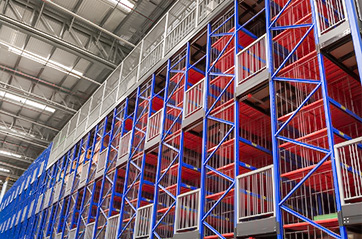
Mezzanine Rack
A Mezzanine Rack uses the rack structure to support the upper floor while the racks continue to store goods. You can choose medium-duty or heavy-duty racks according to your load requirements. The upper level can use additional shelving or remain as an open floor area, depending on your storage needs.
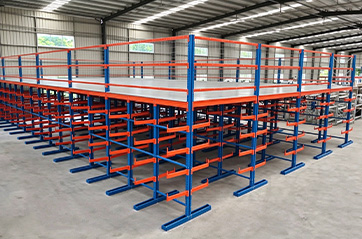
Cantilever Mezzanine Rack
A Cantilever Mezzanine Rack uses cantilever racks to support the upper floor and provides storage for long or oversized goods such as pipes, profiles, and boards. You can install cantilever racks on the upper level or keep it as an open floor area, depending on your storage and handling requirements.
Mezzanine Platform, Mezzanine Rack, or Cantilever Mezzanine Rack? Explore the differences and find the structure that fits your storage space, goods, and handling needs.
Whatsapp: +86 18652003451
Tell us your warehouse size, goods, load requirements, and storage needs. HUADE can help you choose the right mezzanine structure and develop a practical warehouse layout.
Is a Mezzanine Rack Right for Your Warehouse?
Whether a Mezzanine Rack suits your warehouse depends mainly on four factors: available space, goods characteristics, handling methods, and budget.
1. Warehouse Space
Ceiling height: A Mezzanine Rack works best in warehouses with sufficient height. A height of around 4.5–6 m or more can provide enough vertical space for two or three storage levels. If the warehouse is below about 3.5 m, the mezzanine may leave too little working space and affect manual operations.
Floor space: It suits warehouses with limited floor space or those that cannot easily expand. By building upward, you can increase storage capacity without increasing the building footprint.
Weight and size: A Mezzanine Rack suits light and medium-sized goods, with a recommended load of up to about 500 kg per level. Typical goods include cartons, small parts, light industrial products, electronic components, clothing, and accessories. Heavy or oversized goods, such as heavy machinery and large pallet loads, generally require heavy-duty racking instead.
Product range and turnover: It works well for warehouses with many SKUs and relatively small quantities per SKU. You can organize different products by level and use the system for medium- to low-turnover goods. It may not suit operations that require rapid, high-volume pallet handling.
2. Goods Characteristics
3. Handling and Picking Methods
A Mezzanine Rack mainly supports manual storage and picking with lightweight carts, hydraulic pallet trucks, or lifting platforms. If your warehouse relies heavily on large forklifts for frequent operations, the mezzanine may not provide enough space for forklift movement on the upper levels.
A Mezzanine Rack can provide a practical way to expand storage within an existing building without adding new floor area. It can suit businesses with moderate budgets as well as warehouses that need to upgrade or reorganize their existing space.
4. Budget and Warehouse Upgrades
Explore More HUADE Racking Systems
Looking for a different way to increase storage capacity or make better use of warehouse space? Explore more HUADE racking solutions for different goods, layouts, and storage requirements.
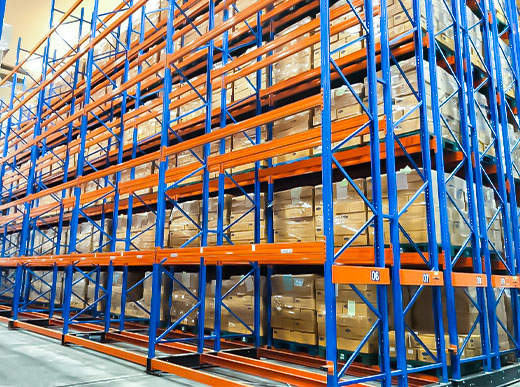
Mobile Racking
Increase storage density for small goods and multi-SKU inventory.
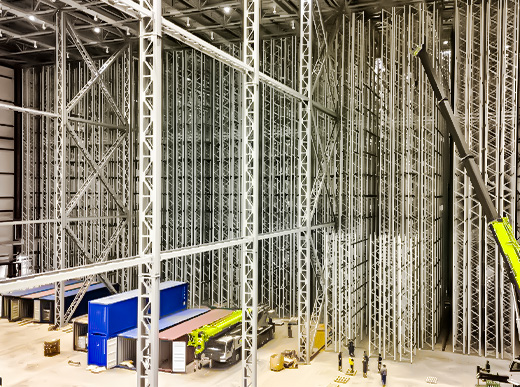
High Bay Warehouse Racking
Make better use of vertical space with high-level pallet storage.
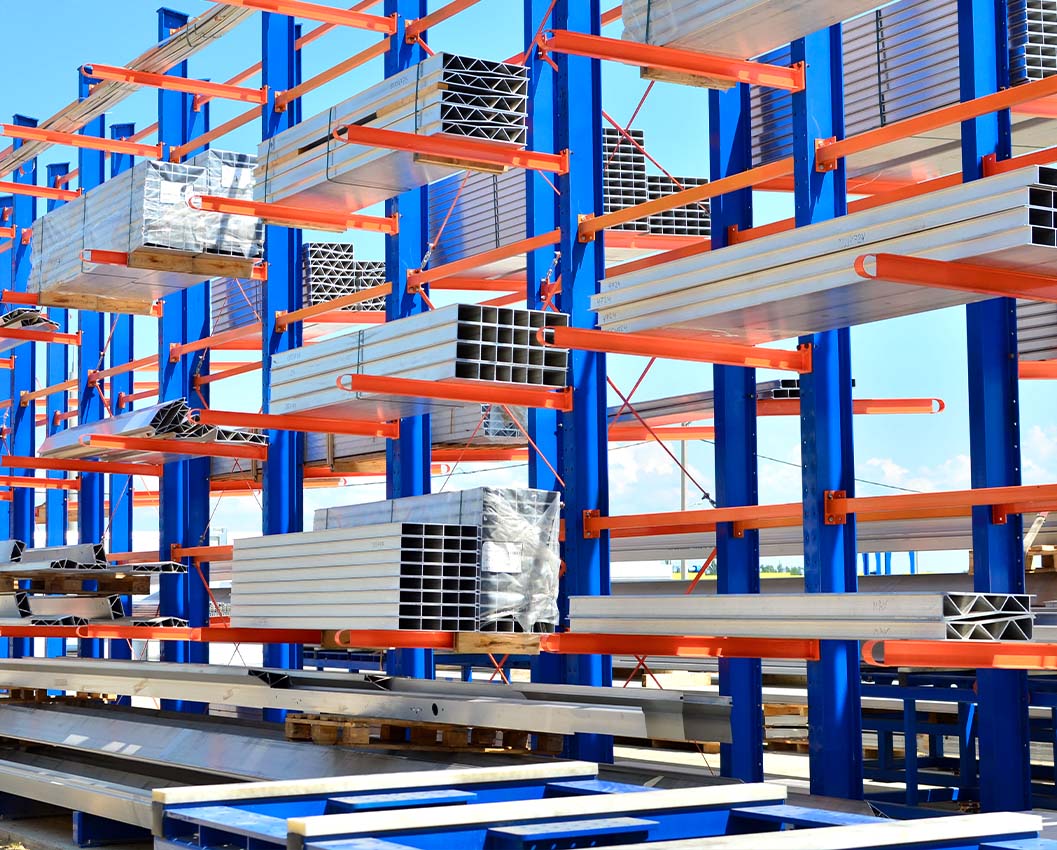
Cantilever Rack
Open-front storage for pipes, boards, profiles, and other long goods.
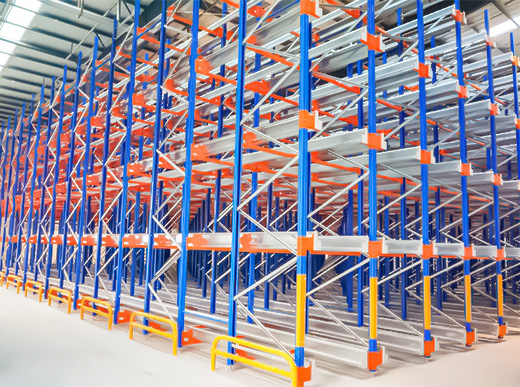
Shuttle Racking
Improve pallet storage density with shuttle-assisted storage and retrieval.
Why Choose HUADE for Your Mezzanine Rack?
HUADE provides complete warehouse storage solutions, covering engineering consultation, design, manufacturing, installation, commissioning, training, and after-sales service. We work with you to develop a practical solution that fits your storage needs, warehouse layout, and budget.
-
Free 3D Layout Simulation
We provide a free 3D animation layout to help you visualize the proposed Mezzanine Rack and storage arrangement before production. We also offer maintenance services after the one-year warranty period.
-
One-Stop Manufacturing and Service
HUADE manufactures storage racks and automated storage equipment and provides integrated project services. We also welcome regional distributors, system integrators, and business partners worldwide.
-
In-House Testing and Quality Control
Our testing facilities cover beam connectors, uprights, beam load capacity, computer modeling, and full-size rack unit load testing. We also use independent third-party verification when required. These tests help us check the structure against your load requirements, goods characteristics, and operating conditions. Before shipment, we can provide test videos for your review.
-
Turnkey Project Support
We design the Mezzanine Rack around your SKU characteristics, warehouse layout, and workflow. Our project support covers engineering planning, design, manufacturing, subcontractor coordination, installation, commissioning, and assistance with relevant approval procedures, giving you one team throughout the project.