Deep Freeze Warehouse Solutions
HUADE delivers deep freeze warehouse solutions designed for low-temperature environments, helping businesses increase storage capacity, improve handling efficiency, and maintain reliable warehouse operations.
Deep Freeze Warehouse Challenges
Operating a deep freeze warehouse is more demanding than managing a standard storage facility.
Low temperatures, high energy consumption, limited working time, and strict product handling requirements can affect both daily operations and long-term storage costs.
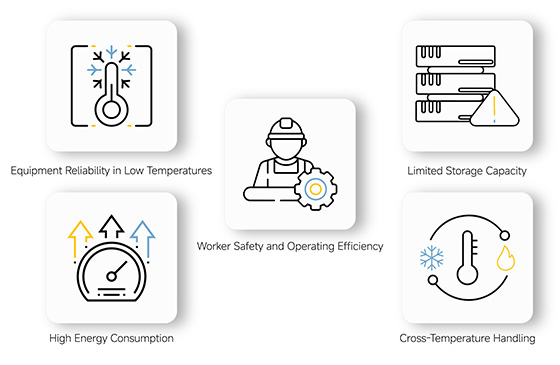
1. Equipment Reliability in Low Temperatures
Temperatures of –20°C and below can place additional demands on warehouse equipment. Ice buildup on rails can affect shuttle movement and positioning, while batteries and electronic components require appropriate low-temperature protection and testing.
2. High Energy Consumption
Cold storage requires continuous temperature control, while frequent door openings and personnel movement can increase cold-air loss. Longer handling cycles and inefficient warehouse layouts can add further pressure to operating costs.
3. Worker Safety and Operating Efficiency
Working in deep-freeze environments requires appropriate protective equipment and controlled exposure time. Heavy protective clothing can also make manual handling slower and more physically demanding, creating a need to reduce unnecessary human activity inside the freezer.
4. Limited Storage Capacity
Conventional warehouse layouts often leave valuable vertical space unused and require wider operating aisles. As frozen inventory grows, businesses need to make better use of available floor area and building height without compromising accessibility.
5. Cross-Temperature Handling
Frozen products may need to move between deep-freeze, chilled, ambient, and staging areas during receiving, storage, picking, and dispatch. Managing these temperature transitions efficiently requires careful warehouse zoning, material flow planning, and equipment selection.
HUADE Deep Freeze Warehouse Solutions
HUADE combines cold-storage racking, automated handling equipment, and warehouse control technologies to create storage solutions for deep freeze environments. Each solution is configured around temperature, storage capacity, pallet specifications, throughput, and warehouse layout.
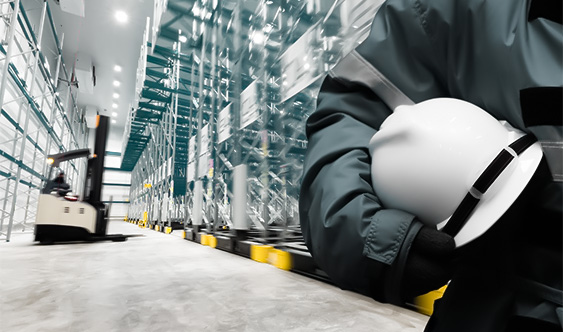
High-Density Storage
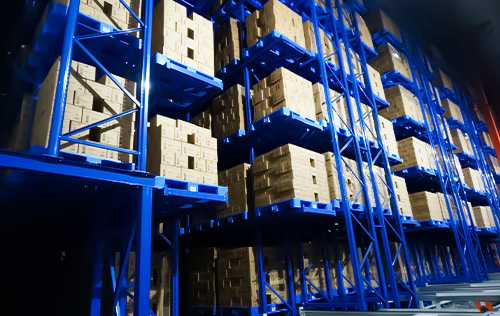
High Bay Racking, Clad-Rack Warehouses, Shuttle Racking, and other high-density storage solutions help make better use of available floor space and building height.
- High Bay Racking
- Clad-Rack Warehouse
- Shuttle Racking
- VNA Racking
- Mobile Pallet Racking
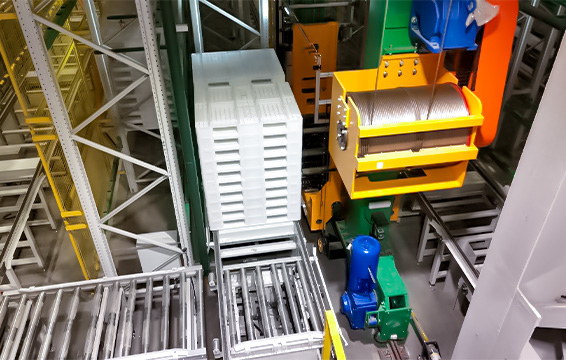
Automated Material Handling
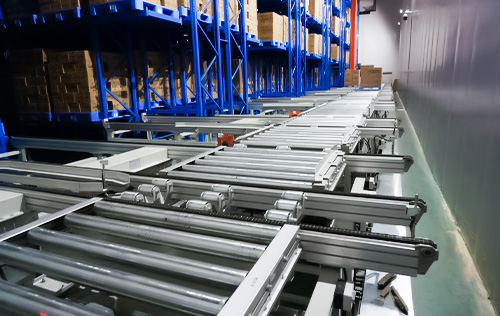
Stacker Cranes, Four Way Shuttles, Mother & Baby Shuttles, Radio Shuttles, conveyors, and lifters can automate pallet movement and reduce manual handling in low-temperature areas.
- Stacker Crane
- Four Way Shuttle
- Mother & Baby Shuttle
- Radio Shuttle
- Pallet Lifter
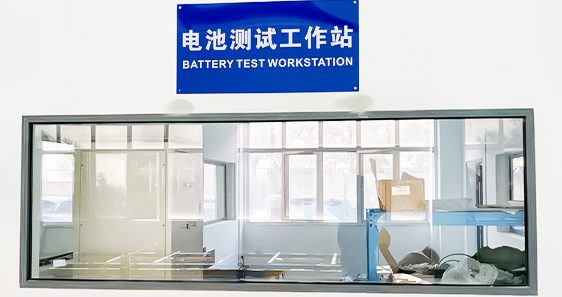
Low-Temperature Adaptation
HUADE considers battery performance, electrical components, equipment protection, and operating conditions when configuring automation equipment for deep freeze warehouses.
- Battery Testing Station
- –25°C Cold-Storage Test Center
WMS & WCS Integration
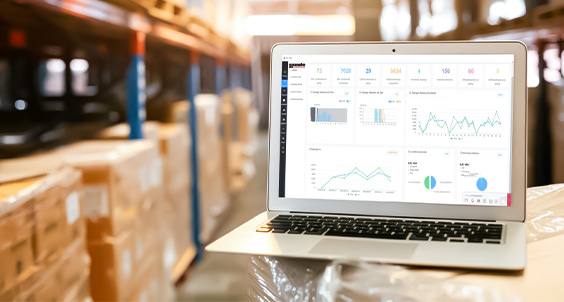
WMS and WCS connect inventory management with warehouse equipment, supporting automated storage and retrieval, task coordination, inventory visibility, and material flow control.
- WMS
- WCS
Racking Designed for Low-Temperature Environments
Deep-freeze storage places higher demands on racking materials, manufacturing precision, surface treatment, and corrosion protection. HUADE considers these requirements throughout the racking manufacturing process.
- Stable steel materials: SS400, SPHC, and SPCC steel from Baosteel or other major domestic steel producers.
- High-precision forming: Automated punching achieves hole-position accuracy of up to 0.02 mm, with cumulative upright deviation controlled within 2 mm.
- Consistent welding: Main beam welds are produced using robotic welding equipment to maintain consistent weld quality.
- Protective coating: Epoxy powder coating with a typical thickness of 60–80 μm provides additional surface protection.
- International standards: Racking solutions can be designed according to EN, ANSI, and JIS requirements.
- Corrosion resistance: Coating performance can be verified through standardized salt-spray testing, with project specifications determined according to the required standard.
- Low-temperature adaptation: Racking configurations can be developed with consideration for low temperature, condensation, moisture, and corrosion conditions.
Deep Freeze Warehouse Case Study
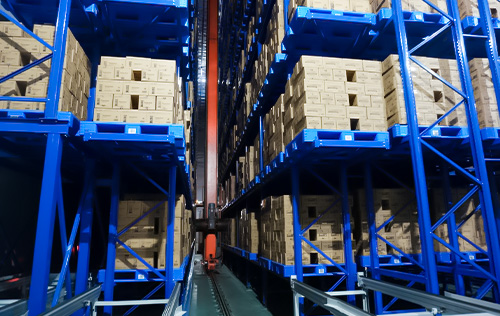
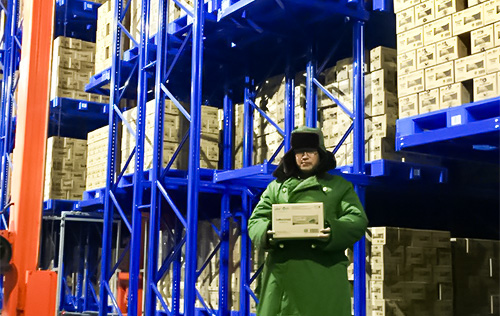
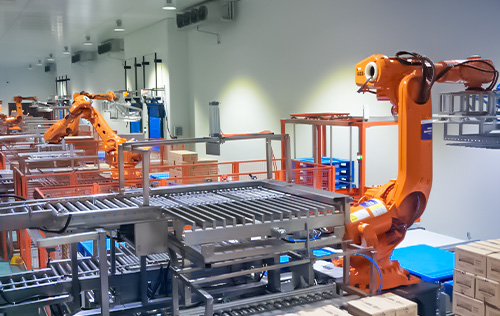
The automated cold-storage solution uses six stacker cranes to support high-density pallet storage and retrieval within the 20-meter-high warehouse.
Ice Cream Cold Storage Project
- Warehouse Size: 60 m × 45 m × 20 m
- Storage Capacity: 10,260 pallet positions
- Products: Ice cream, 1+ million cartons
- Core Equipment: 6 stacker cranes
Why Choose HUADE for Deep Freeze Warehouse Solutions
HUADE combines cold-storage experience, in-house manufacturing, automation testing, and project delivery capabilities to support deep freeze warehouse projects from planning to long-term operation.
-
Cold-Storage Experience
Automation equipment can be configured and tested for low-temperature environments, including operation at –25°C.
-
6 Dedicated Test Centers
Battery, shuttle, stacker crane, dynamic operation, and control systems are tested to validate equipment performance.
-
International Standards
Solutions can be designed according to EN, ANSI, and JIS requirements, with CE-certified equipment where applicable.
-
In-House Manufacturing & Integration
HUADE manages racking, automation equipment, software integration, installation, and commissioning through one project team.
-
Global Project Support
English-speaking engineers provide technical communication, documentation, compliance support, and on-site project assistance.
-
Free 3D Simulation
Customers can review warehouse layout, storage capacity, and equipment flow before implementation.
-
Long-Term Support
HUADE provides maintenance and technical support after the warranty period.